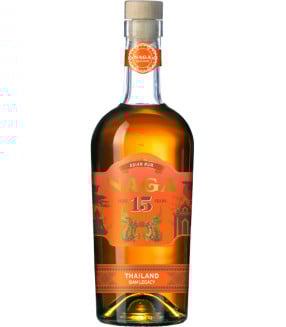
Indonesia is an opening to the East but it is also a return to the sources: those of sugar cane first, from which it originates and which has been cultivated there for 80 centuries. But it is also those of rum - rum - ron - cachaça, called there Batavia Arrak - Batavia being the name given to Jakarta in 1619 by the Dutch East India Company, Arrak being the literal translation of alcohol.
Numerous writings attest to this: as early as 1634, British merchants bought batavia arrak from Indonesian distillers. We know that in 1712 there were a dozen distilleries around Jakarta and more than twenty in 1778. Thus, Indonesian rum became very popular in Europe at the beginning of the eighteenth century. It is the basic ingredient of punch and is preferred over Caribbean rums. Thus, in 1796, the political scientist and great rum connoisseur Joseph-François Charpentier de Cossigny wrote that "Indonesian rum is of better quality than Jamaican rum, which even the English must admit". It is this exotic and elegant alcohol that four friends, Olivier, Sébastien, Jose Luis and Jesus discovered in 2012 in Hong Kong. NAGA, named after this mythical creature from Asia, a symbol of prosperity, fertility and protector of nature's treasures, had just been born. NAGA rum is a rum whose sweetness and subtlety are elegantly counterbalanced by spicy and fruity notes.