César Marti, First Maestro Ronero of Cuba
Need help ? 01 85 41 11 20
|
Book for punchs & rhums arrangés All the recipes for sparkling, fruity, and surprising punches and arranged rums, not forgetting the great classics. |
|
|
Caroni 10th Anniversary We are pleased to present one of the centerpieces of our 10th years anniversary collection... |
|
Flat Peach Brandy (Pesche Saturno) made by one of the best distillers in the world: Capovilla |
|
We offer 4 rum workshops from €50, discover our many dates. Possibility of privatizing a workshop. Our workshops are mainly in French. |
Come to the store to discover the terroirs of rum, new references - Our tastings are 100% free |
Compose your sample box (60ml sample) with our box of 2, 3 and 5 samples. Your personalized gift! |
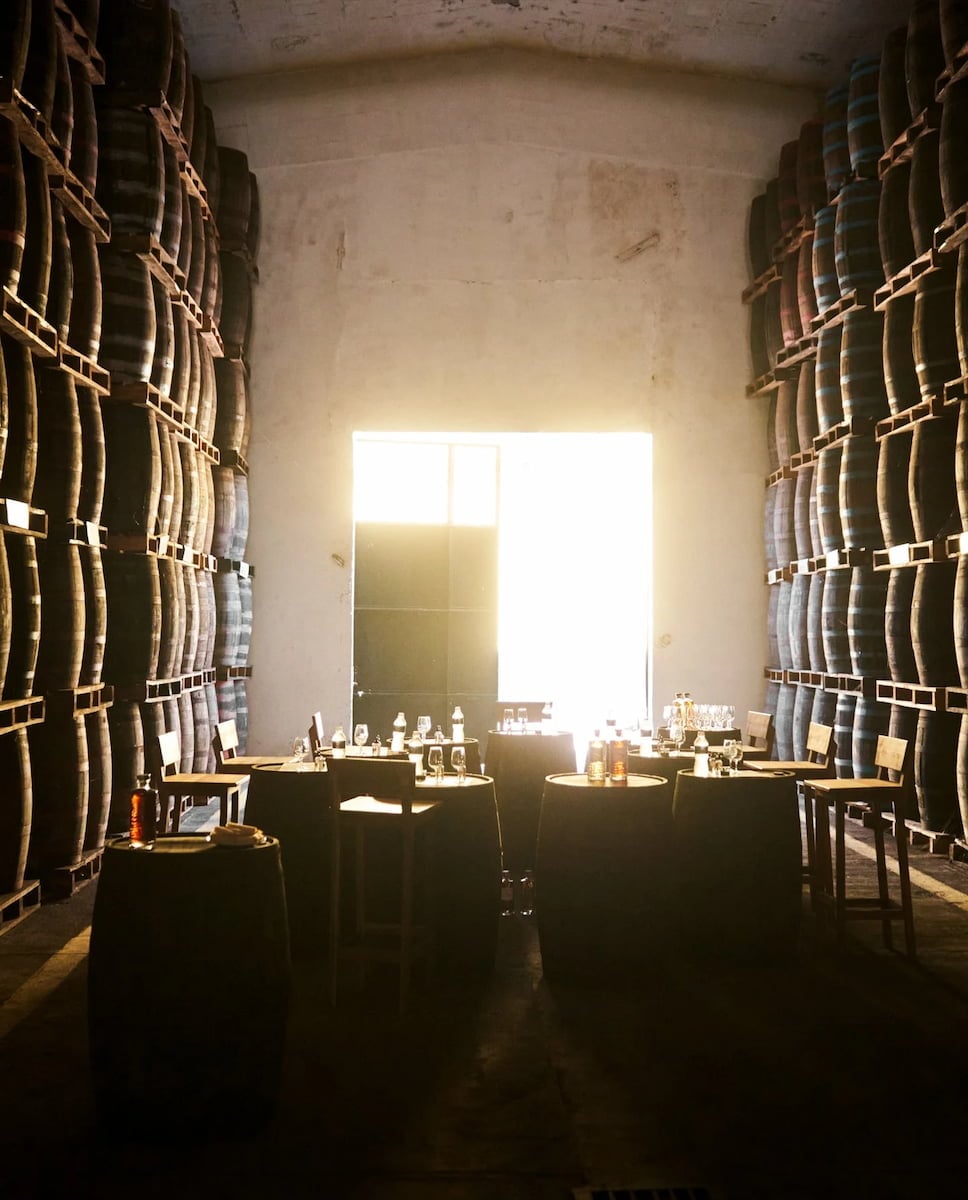
The Cuban Maestro Ronero is the custodian of a historical legacy that lies within our century-old aging cellars and a rum culture passed down from generation to generation to this day, of which he is the guardian of the know-how.
The Cuban Maestro Ronero is a comprehensive expert in rum production technology at every stage, from origin to final product. He is able to interpret and lead the production processes of distillates, aging, purification, and blending, identifying at each step what defines Cuban rum and making the necessary adjustments when needed. He works with specialized teams at every stage of the production process, but it is the Maestro who takes on the overall technical responsibility and supervision.
The knowledge of Cuban Rum Maestros combines science, tradition, innovation, and sensitivity, to which is added the unique character of each Maestro in how he defends and interprets Cuban rum, making them truly unique. For this reason, the Knowledge of Cuban Maestros Roneros was declared an Intangible Cultural Heritage of Humanity on November 30, 2022, by the UNESCO Intergovernmental Committee.
Currently, 9 individuals serve as Cuban Maestro Roneros. From an institutional standpoint, there is a Movement of Cuban Rum Maestros, affiliated with and led by the Cuba Ron S.A. company.
This movement is composed of:
Two First Cuban Rum Maestros
Seven Cuban Rum Maestros
Cuban rum:
- Is not just a distilled spirit.
- Is not a flavored or aromatic distillate, even with the finest extracts.
Cuban rum owes its primary aroma to the aguardiente derived from sugarcane, enriched during fermentation and brought to maturity in white oak barrels.
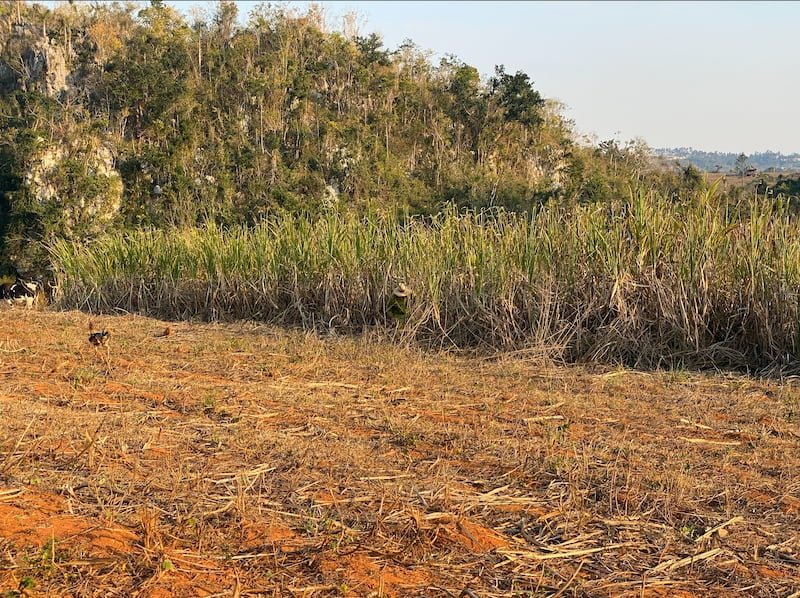
Sugarcane grows in a privileged climate, producing molasses with low viscosity and low acidity, rich in fermentable sugars, nitrogen, and phosphorus, and low in non-fermentable compounds and polymers.
Fermentation is supported by a natural microflora unaffected by contaminants.
Cuban molasses are recognized as among the richest and most intense in the world, with a final sugar content of 55 to 62%, compared to around 45% for molasses from other regions.
Cuban aguardiente is an aromatic distillate rich in congeners of ethanol, with specific organoleptic qualities, unique and unlike any others in the world.
Cuban rum has its own technology for producing aguardiente. Distillation is carried out in a column specially designed for this purpose, and the aguardiente obtained at each moment is the result of a blend of selected condensates by experts.
The origin of the first light rum is beyond doubt: it is Cuba, in the mid-19th century.
While many rums exhibit a simple and defined aroma, Cuban rum displays remarkable aromatic complexity, perfectly integrated, with no single note overpowering the rest. This aroma diminishes with dilution but neither transforms nor disappears: it remains intact, from the full glass to the empty one, and even lingers long after.
It does not sting the nose, does not produce an alcoholic burn, even with a deep inhale. It shows no excessive dominance of wood, often used elsewhere to create a false impression of aging. Its aroma comes from a refined aguardiente, matured thanks to essential oak. On the palate, Cuban rum is also distinct: smooth, pleasant, non-aggressive to the throat. It can be enjoyed without drying the mouth. If the aroma is indestructible to the nose, in the mouth it becomes delicate, offering an exotic journey through the flavors of the Cuban countryside: notes of honey, cocoa, vanilla, chocolate, tobacco, spices, dried fruits, eventually giving way to the noble warmth of matured aguardiente, a reminder that this is truly a Cuban rum.
This flavor lingers on the palate with a pleasant freshness, capable of complementing even the boldest culinary creations.
Three great secrets of quality
1. The aroma and flavor of Cuban rum rely on the specificity of its original aguardiente.
2. They rely on the variety and preservation of aging barrels.
3. They rely on the mastery — the know-how of the Cuban Rum Maestros, a cultural heritage — in blending and successive aging, until the perfect integration of their exclusive molecules.
They must be Cuban molasses.
Appearance: dark brown color, viscous and dense texture
Sugar concentration: between 55% and 62% (very sweet), approximately 85° Brix
Low acidity and low viscosity
High content of fermentable compounds, nitrogen, and phosphorus
Low content of non-fermentable compounds and polymers
The molasses are carefully selected for their natural microflora free from contaminants. They come from sugar mills that do not use sulfitation during clarification and that use alcohols during the sugar crystallization process.
This collaboration revolves around the processes of fermentation, distillation, and aging.
Fermentation
In Cuba, molasses are stored in stainless steel tanks for nearly five years to develop a natural microflora (mesophilic and thermophilic microorganisms: bacteria, yeasts, and fungi) that favors aromatic development. Fermentation is controlled and fast (24 to 36 hours), using yeast strains that have been selected and cultivated for many years. It produces a sugarcane wine with an alcohol content of 5 to 6%, rich in congeners responsible for the aromas of the aguardiente.
Distillation
Distillation, carried out in copper columns, yields two products: an extra-light rum at 95% ABV, contributing lightness, and a Cuban aguardiente at 75% ABV, rich in aromas, the true soul of Cuban rum.
Aging and barrel selection
Aging takes place in several phases:
1. First stage: barrels that provide the necessary input of tannins and lignins
2. Second stage: barrels that allow aging to continue and contribute oxidized tannins
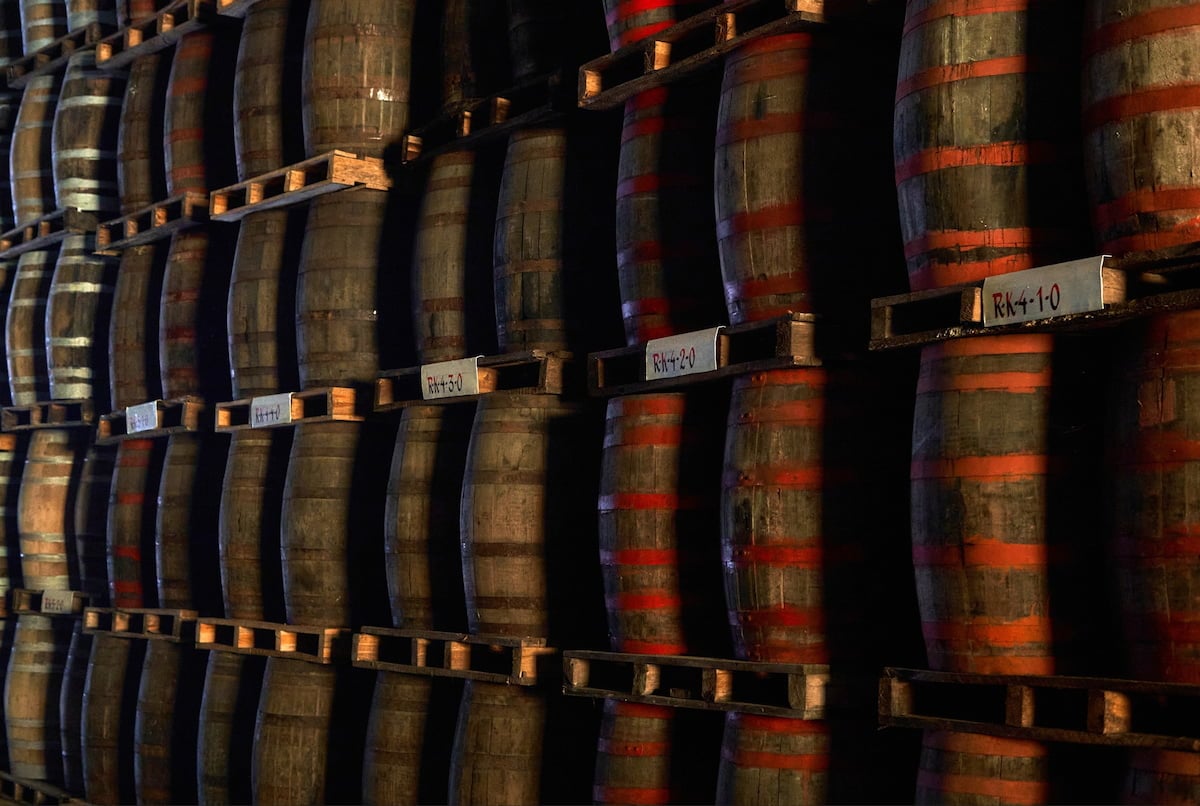
3. Third stage: barrels with more than 60 years of use, allowing gentle oxidation without additional bitterness
Over eight years ago, the LVMH group visited the headquarters of Cuba Ron S.A.</b with the intention of launching a Cuban rum project. From the very first discussions, we shared a common vision: to create a rum that could be enjoyed as a blend while offering an aromatic complexity capable of appealing to lovers of rums from the Hispanic tradition.
I wanted to rediscover a more contemporary Cuban rum profile, while paying tribute to the aguardientes of the 19th century. I was fortunate to work from the beginning with passionate professionals — Briac, Camille, and Maestro Olivier — with whom a true bond was formed, giving birth to the new face of Cuban rum: EMINENTE.
EMINENTE embodies the history and ancestral know-how of Cuba’s central region. Inspired by 19th-century aguardientes, it preserves the aesthetic of traditional light Cuban rum while expressing renewed complexity.
The proportion of aguardiente is exceptionally high:
30% in Ámbar Claro
45% in Carta Oro
70% in Reserva
80% in Gran Reserva
This proportion far exceeds the usual DOP standards (7 to 10%). Thanks to carefully controlled natural aging, precise blending, and the use of American oak barrels of various ages and uses, EMINENTE achieves unique complexity and versatility.
Gran Reserva 10 Years Edition No. 2 is an expression of creativity and technical excellence. Its uniqueness lies in a final composition containing 80% aguardiente, subjected to processes of extra-purification, extended aging, and superior quality.
As a final innovation, the mother blend undergoes a four-month finish in Sauternes barrels, bringing elegance, refinement, and aromatic complexity.