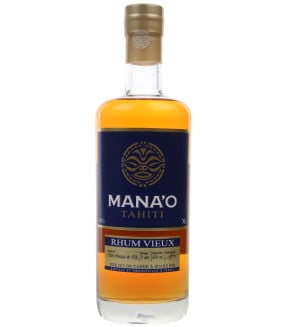
Mana'o Tahiti is the fruit of these years of work. This name means in reo Tahiti "to think", "to remember" and it resonates as a tribute to this exceptional sugar cane.
Sugar cane is grown on the heights of Tahiti and in the fertile valleys of Taha'a. Originally from the Pacific, sugar cane took root in the lands of Polynesia around the year 300 AD. It then acclimatizes perfectly to the conditions of the Polynesian islands, and it is cultivated there for its sweet juice used as an excipient for 'ra'au Tahiti' (traditional medicine) and for the taste qualities of its stem still chewed today. Its global expansion began in the eighteenth century, when Louis-Antoine de Bougainville and James Cook, during their expeditions around the world, discovered this cane and spread it on all continents and as far as the Caribbean under the name of Otahiti cane. Considered the best in the world, it will be the most cultivated during the nineteenth century before being dethroned by modern hybrids. Carefully preserved in Polynesian gardens, this original cane has patiently survived the centuries.
They flourish in a still wild nature, enjoying regular sunshine and abundant water. It is on the plateau of Toahotu on the peninsula of Tahiti that were planted the first sugar cane of Mana'o. These terroirs spared by intensive agriculture was the essential element for the conduct of an organic farming project. Facing the lagoon, in the freshness of the plateau, the canes enjoy optimal conditions for their development. The plantation then developed on Taha'a, a small island facing the spectacular lagoon of Bora Bora. Known as Vanilla Island, Taha'a is dominated by wild and lush vegetation and the Tiva Valley, in the west of the island, offers an extraordinary setting for sugar cane to develop.